
The Allure of Gambling: Understanding Initial Investments
When individuals step into a casino, the initial thrill of potential winnings often overshadows the reality of the investments involved. Most patrons assume that gambling is merely the cost of buying chips or playing table games. However, the truth is that the initial monetary investment can extend far beyond these upfront costs. For instance, many players overlook the expenses associated with transportation, accommodation, and meals, which can add up quickly. Additionally, those who prefer to withdraw their winnings promptly might want to consider casino sites fast withdrawal options to minimize delays, as even those who budget strictly may find themselves caught off guard by these ancillary expenses that can transform a fun outing into a costly venture.
Moreover, the emotional investment plays a remarkable role in gambling. Gamblers often become emotionally attached to their activities, which can lead to increased spending. The excitement of the potential win can encourage players to gamble more than they initially intended, causing them to dip deeper into their wallets. This emotional rollercoaster can be exhilarating but ultimately expensive. The temptation to chase losses is a common pitfall that can divert gamblers from their financial goals, leading them further down a path of financial strain that is often overlooked.
Casinos also deploy various strategies to entice players to spend more money. Promotions, loyalty programs, and complimentary offers may appear harmless at first glance; however, they often lead to increased spending. Players might feel obliged to gamble in order to receive benefits that seem too good to pass up. This psychological manipulation is a hidden cost that can transform a fun evening into a significant financial commitment, as the allure of rewards can cloud judgment and encourage reckless spending.
The Hidden Cost of Time
Time spent in a casino can be just as costly as money. When people think about gambling, they often focus solely on the dollars involved, but the hours spent can result in lost opportunities elsewhere. For many individuals, the time they could have devoted to work, relationships, or personal hobbies is instead consumed by gambling sessions. This can lead to long-term consequences, including diminished professional performance or strained personal relationships that may never fully recover.
Additionally, the culture of casinos can encourage patrons to lose track of time entirely. The absence of clocks, combined with the sensory overload of lights and sounds, creates an environment where it’s easy to get lost in the moment. Gamblers may enter a casino with the intention of playing for just a short period, only to find that hours have passed without their notice. This lost time, akin to financial losses, contributes significantly to the hidden costs of gambling, as it can lead to a decline in productivity and fulfillment in other areas of life.
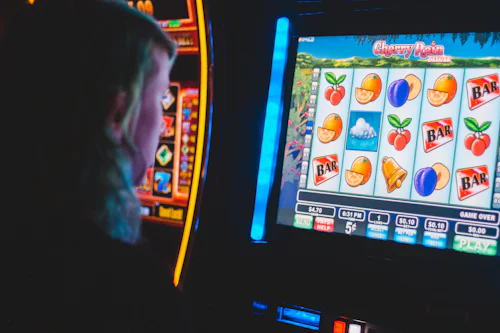
Furthermore, gambling often leads to a cycle of self-reinforcement. As players invest more time and money, they may feel compelled to continue in hopes of recouping their losses. This can create a dangerous feedback loop where gambling consumes not only financial resources but also valuable time that could be spent on more enriching activities. Ultimately, the hidden costs associated with time spent in casinos can be quite significant, leading to regret and a longing for the experiences and connections that were sacrificed.
The Psychological Costs of Gambling
The psychological toll of gambling can be profound and far-reaching. While many enjoy gambling as a form of entertainment, for some, it can develop into a compulsive behavior that leads to significant mental health issues. Anxiety and depression are common among those who frequent casinos, particularly when gambling spirals out of control. The stress of financial loss can translate into a host of negative emotions, impacting overall well-being and leading to serious mental health challenges that require intervention.
Another psychological factor to consider is the normalization of gambling behavior. Frequent exposure to gambling can distort an individual’s perception of risk and reward, leading them to make unwise financial decisions. The excitement of potential wins can overshadow the very real possibility of loss, blurring the lines between entertainment and addiction. This skewed perspective on gambling can lead to increasingly risky behavior that amplifies hidden costs, as gamblers might engage in behaviors that they would otherwise avoid, driven by the thrill of the game.
Furthermore, the social stigma surrounding gambling addiction can exacerbate the issue. Many individuals suffer in silence due to the fear of judgment or shame associated with their gambling habits. This isolation can lead to feelings of loneliness and despair, creating a vicious cycle that is challenging to break. Addressing the psychological costs associated with gambling is essential for recovery, as these costs can be just as damaging, if not more so, than the financial implications that often steal the spotlight.
The Cost of Complacency: Ignoring Regulation and Responsibility
While many enjoy gambling responsibly, there is a segment of the population that engages in reckless behavior. The lack of stringent regulations in certain areas can contribute to this complacency, allowing individuals to gamble without adequate oversight. This can lead to severe financial consequences, not just for the gamblers themselves but for their families and communities as well. Responsible gambling practices are crucial to mitigating these hidden costs, and awareness of these practices is essential for all players.

The responsibility of casinos also comes into play. While establishments promote the excitement of gambling, they also have a duty to protect their patrons. Many casinos have implemented measures to encourage responsible gambling, such as self-exclusion options and resource availability for those struggling with gambling addiction. However, the effectiveness of these measures can vary significantly, leaving some players vulnerable to the hidden costs of irresponsible gambling behavior that can ripple through their lives and the lives of their loved ones.
Casino operators often emphasize their promotional strategies without adequately addressing the risks involved in gambling. Patrons may be lured into believing that the odds are more favorable than they are in reality. This misinformation can lead to complacency among players, who may underestimate the hidden costs and implications of their actions. Ensuring that players are informed about the potential risks is essential in maintaining a balance between entertainment and responsible gambling, ultimately protecting both the patrons and the integrity of the gaming environment.
Exploring Resources for Safe Gambling
To counteract the hidden costs of gambling, a variety of resources are available to help individuals maintain control over their gaming habits. Online platforms often offer tools for tracking spending and setting limits, allowing players to enjoy their gambling experience more responsibly. Many casinos also provide access to information on responsible gambling practices, including self-help options and support groups for those facing challenges. Utilizing these resources can empower players to make informed decisions and engage with gambling in a healthier manner.
Support networks play a crucial role in providing guidance and assistance to those affected by gambling. Organizations dedicated to promoting awareness about the risks associated with gambling can help individuals recognize the signs of compulsive behavior and seek help. Establishing a dialogue around these issues is vital, as it can empower individuals to make informed decisions about their gambling habits. Community outreach and educational programs can significantly enhance the awareness of the hidden costs associated with gambling.
Furthermore, educational initiatives aimed at children and young adults can help prevent the onset of gambling-related issues. By promoting awareness of the potential dangers associated with gambling at an early age, society can better equip future generations to engage with gaming responsibly. Ultimately, fostering a culture of responsible gambling is essential in reducing the hidden costs associated with this form of entertainment, ensuring that both present and future players understand the implications of their choices.
